Introduction
Maintaining clean gutters is a critical part of protecting a home from water damage, foundation issues, and roof problems. Over time, leaves, pine needles, and other debris can clog gutters, causing overflow and costly repairs. To prevent these issues, homeowners often turn to gutter protection systems. Among the available options, micromesh gutter guards and traditional gutter guards are two popular choices. While both aim to keep water flowing freely and debris out, they differ significantly in design, performance, and maintenance requirements. Understanding these differences is essential for choosing the right solution.
How Regular Gutter Guards Work
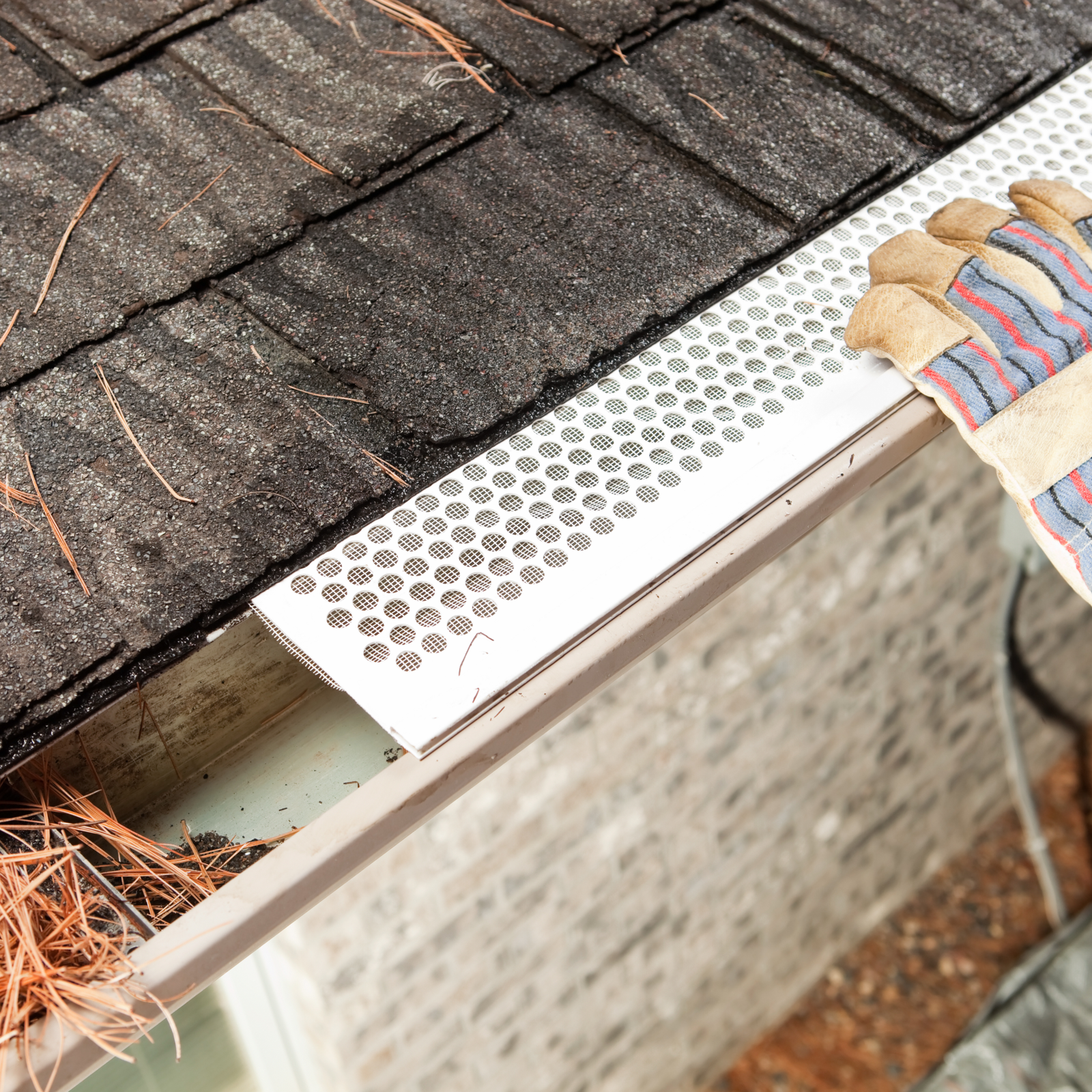
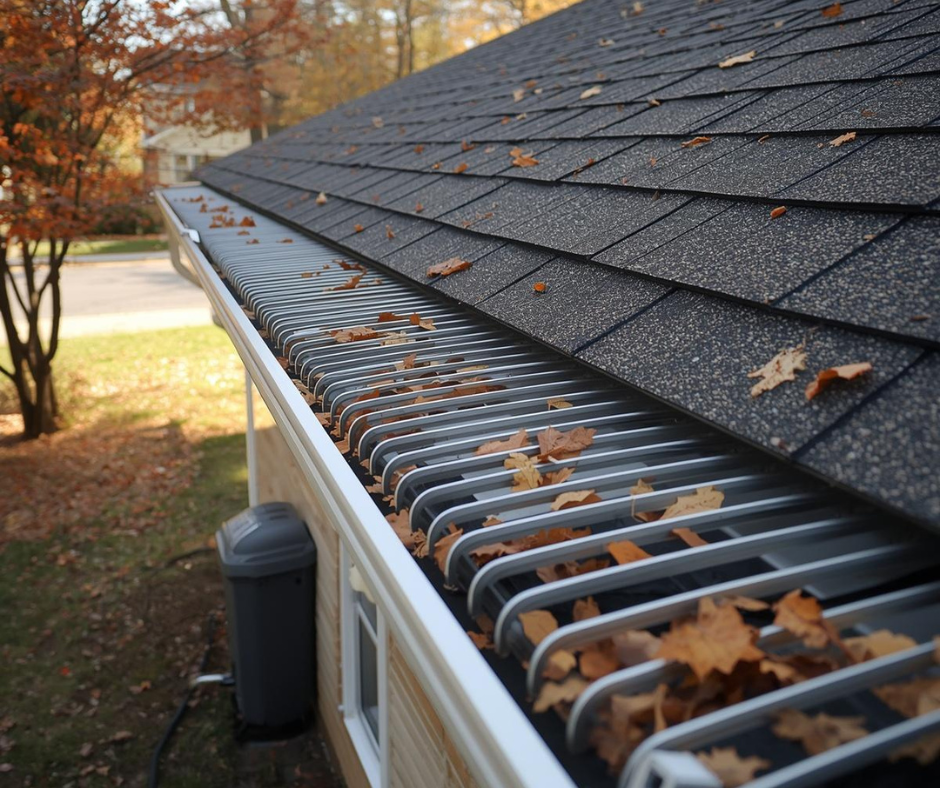
Regular gutter guards come in several common designs, such as plastic screens, metal grates, and reverse-curve systems. These guards primarily block large debris like leaves and sticks while allowing rainwater to pass through or around them. They are typically less expensive than micromesh systems and are widely available for DIY installation. Their affordability and ease of installation make them appealing to homeowners looking for a quick solution.
However, regular guards have notable limitations. Fine particles such as pine needles, seeds, and roof grit can slip through their openings, gradually accumulating inside the gutter. Over time, this buildup can cause clogs, forcing homeowners to clean their gutters more frequently. In addition, some designs struggle to manage heavy rainfall, leading to water overflow and potential damage to the roof and fascia.
What Sets Micromesh Guards Apart
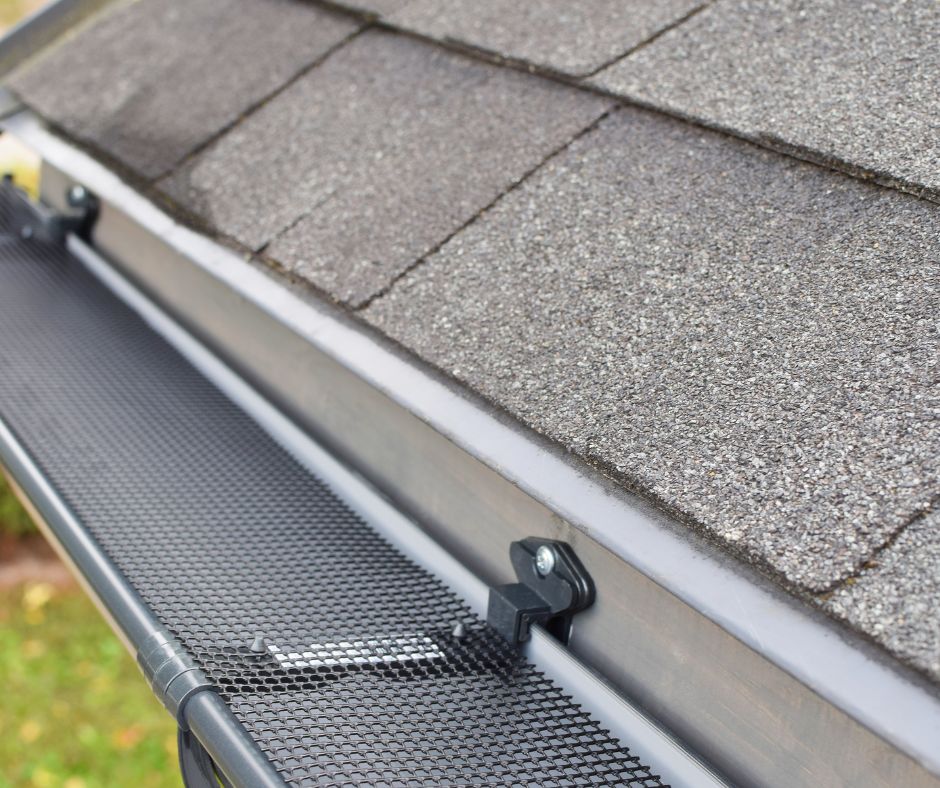
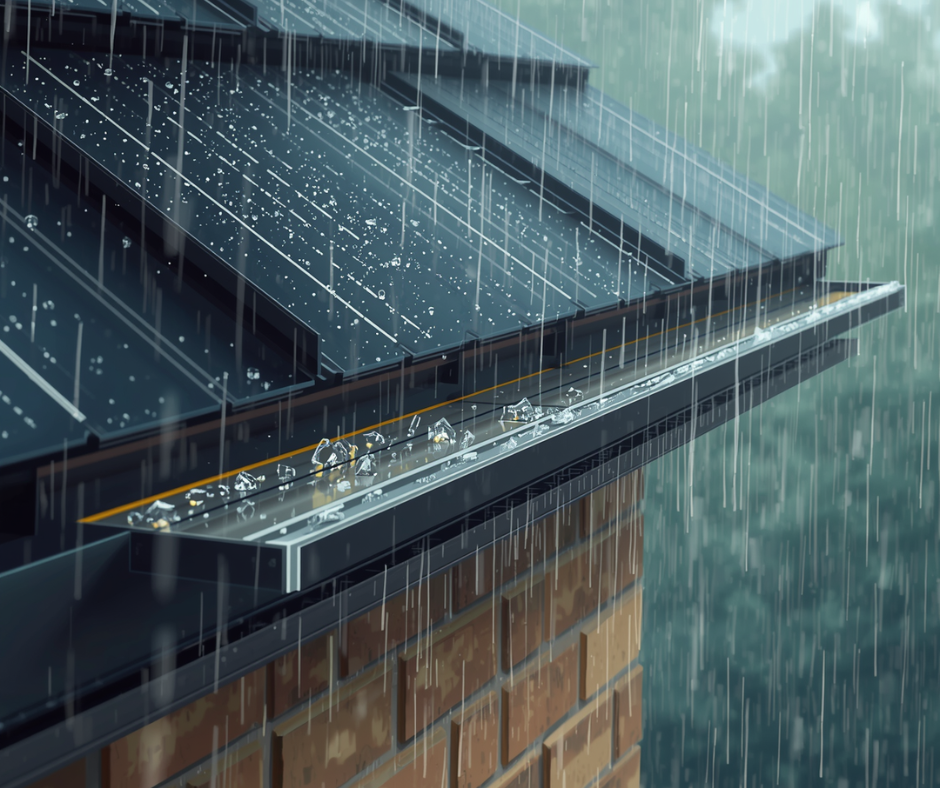
Micromesh systems feature a fine mesh, usually made of stainless steel, which filters even the smallest debris while allowing rainwater to flow freely. This design makes them particularly effective in areas where fine particles, like pine needles or shingle grit, are common. The precision of micromesh guards helps maintain consistent water flow, even during heavy storms, and reduces the likelihood of clogs.
Another advantage of micromesh systems is that they require less frequent maintenance. Because fewer debris particles enter the gutter, homeowners spend less time cleaning and inspecting their systems. While micromesh guards tend to cost more initially and often require professional installation to ensure optimal performance, many homeowners find the investment worthwhile due to their long-term reliability and durability.
Comparing Performance
When it comes to preventing debris accumulation, micromesh guards clearly outperform traditional guards. Regular guards may block larger leaves and twigs, but fine debris often slips through, resulting in partial clogs. Water flow efficiency is another area where micromesh systems excel, as their design distributes rainfall evenly and prevents overflow during storms. Regular guards may become overwhelmed during intense rainfall, leading to backups and the potential for water damage.
Durability is also an important consideration. High-quality micromesh guards are usually made of stainless steel or aluminum, which resist rust and corrosion and maintain their performance over time. In contrast, plastic or lower-quality metal guards may degrade under harsh weather conditions and require replacement sooner. From a long-term perspective, micromesh guards often deliver better value despite the higher upfront cost, as they reduce ongoing maintenance and repair expenses associated with clogged gutters.
Making the Right Choice
Choosing between regular and micromesh gutter guards depends on several factors, including the type of debris in your area, rainfall levels, roof type, and budget. For homes surrounded by large trees that shed broad leaves, a traditional guard may provide basic protection. However, for homeowners dealing with fine debris, frequent storms, or a desire for a low-maintenance solution, micromesh systems are generally more effective. Considering both the immediate cost and the potential long-term benefits is essential when making this decision.
Conclusion
In the debate between micromesh and regular gutter guards, both systems serve the purpose of protecting your home, but they differ in efficiency, durability, and maintenance demands. Traditional guards can offer basic protection at a lower price, but they often fall short in areas with fine debris or heavy rainfall. Micromesh systems provide superior filtration and reduced upkeep, making them a reliable long-term investment. For homeowners seeking durable, effective, and low-maintenance gutter protection, solutions from E-Z Gutter Guard Protection offer an ideal balance of performance and convenience.










Write a comment ...