
Choosing the right gutter protection can make a significant difference in how effectively a home's drainage system handles leaves, twigs, pine needles, and other debris. Copper gutter guards are often considered by homeowners who want a durable solution that complements copper gutters while helping reduce frequent cleaning. However, appearance is only one factor to consider. Material compatibility, water flow, durability, installation, maintenance, and local weather conditions all play important roles when selecting a gutter protection system. Understanding these factors can help homeowners decide whether copper-based protection is appropriate for their property or whether another material and design may provide better long-term performance.
Why Gutter Guards Matter for Homeowners
Gutters are designed to collect and direct rainwater away from the roof, walls, foundation, and landscaping. When leaves and other debris accumulate inside them, water may overflow or drainage can become restricted. Regular cleaning can help, but frequent maintenance may be inconvenient, particularly for homes surrounded by mature trees.
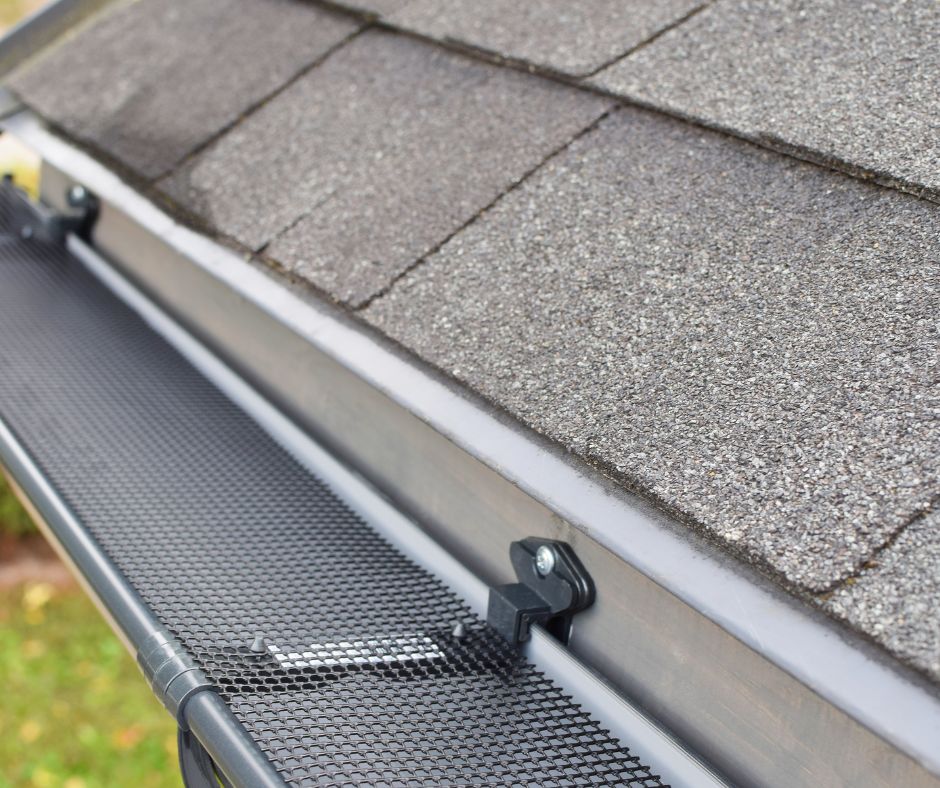
A properly selected gutter protection system creates a barrier that allows rainwater to enter while limiting the amount of unwanted material reaching the gutter channel. Different designs use screens, mesh, perforations, or solid surfaces to manage debris. The ideal option depends on the type of debris around the property, the amount of rainfall, roof configuration, and gutter design.
Do Copper Guards Offer Good Durability?
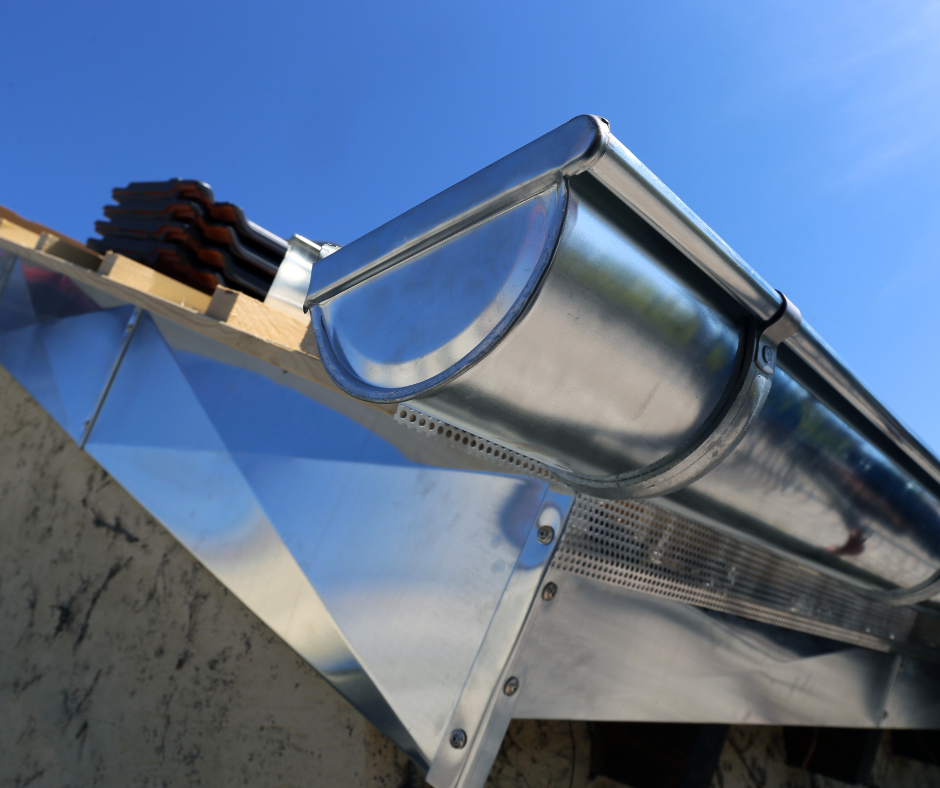
Durability is one of the first considerations when evaluating any gutter protection material. Copper is known for its long service life and distinctive appearance, making it attractive for architectural applications where aesthetics matter. When paired appropriately with copper gutters, copper components can create a visually consistent drainage system.
However, homeowners should not evaluate durability based on material alone. The construction, thickness, fastening method, exposure to weather, and quality of installation also influence performance. A gutter guard must remain securely positioned while handling rainwater and seasonal debris.
In areas with heavy rainfall, snow, strong winds, or significant tree coverage, selecting a system designed for the local conditions is particularly important. A durable material combined with a suitable design can provide more dependable protection than simply choosing a product based on appearance.
How Do Gutter Guards Help Reduce Debris?
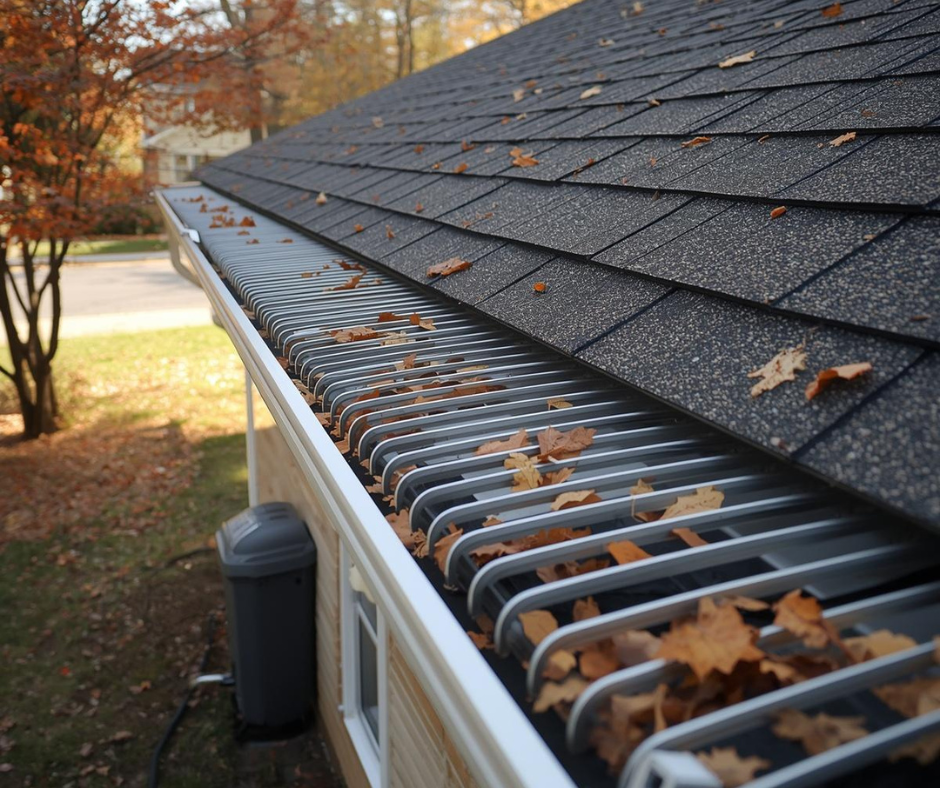
One of the main advantages of gutter protection is reducing the amount of debris that enters the gutter. Leaves, twigs, seeds, pine needles, and roof particles can accumulate over time and create blockages.
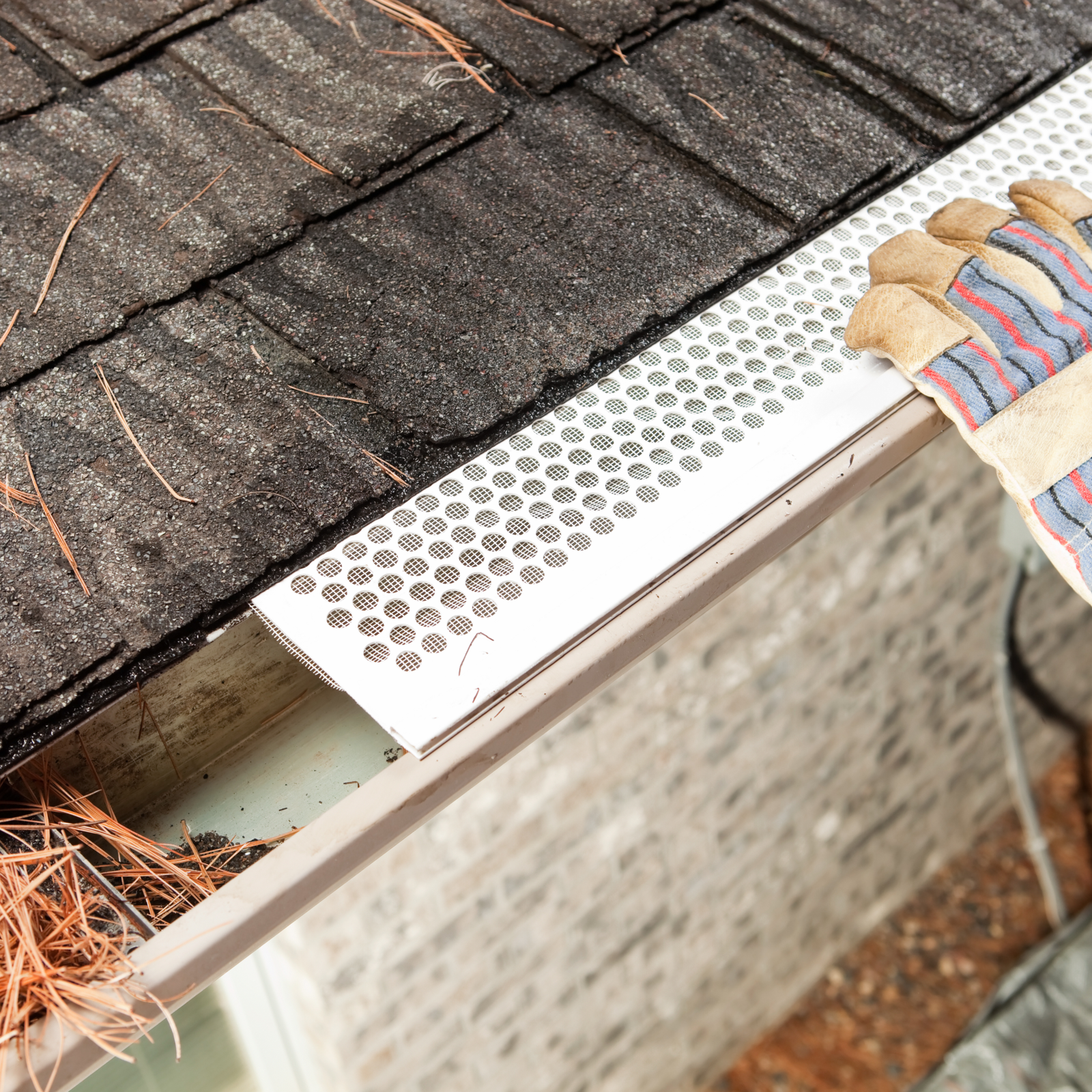
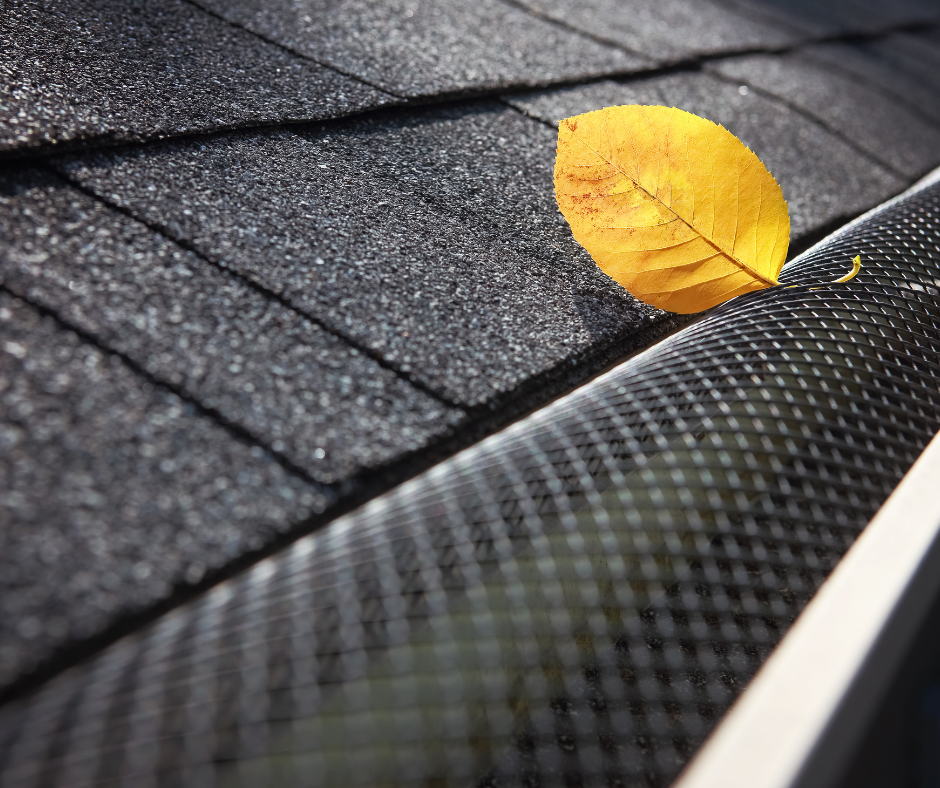
Different gutter screens and covers handle debris in different ways. Larger openings may allow more water to pass through but can also permit smaller debris to enter. Fine mesh can help block smaller particles, while solid or specially engineered covers can approach debris management from a different angle.
This is why homeowners should consider their surroundings before selecting a product. A property beneath oak trees may have different requirements from a home surrounded by pine trees. Understanding the debris type can make it easier to choose a system that balances filtration and water flow.
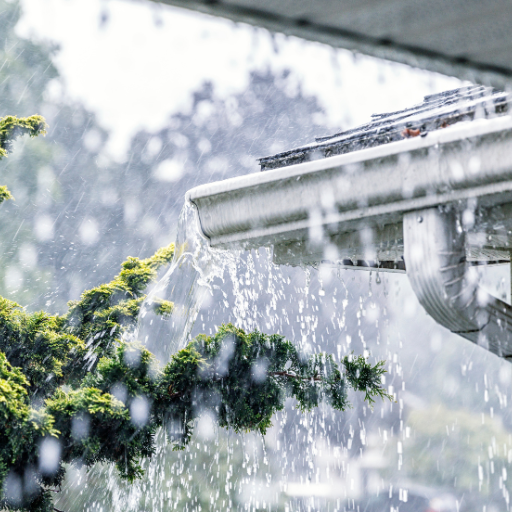
What About Water Flow During Heavy Rain?
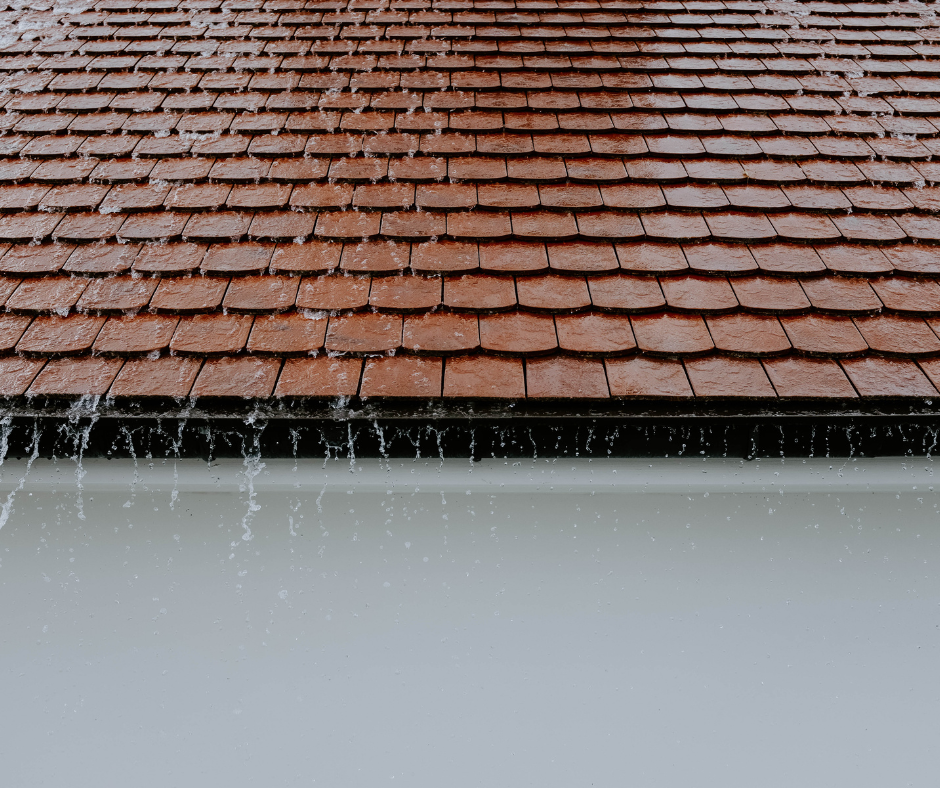
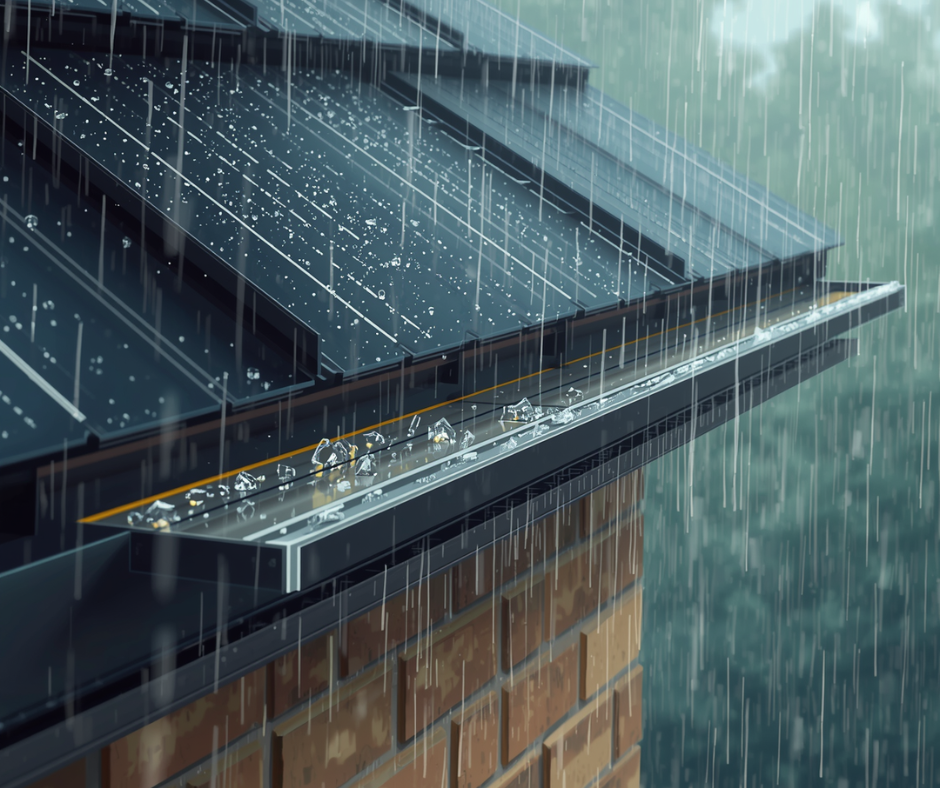
Water management is just as important as debris protection. A gutter guard that restricts water entry during intense rainfall may create overflow problems even if it keeps the gutter relatively clean.
The design of the protection system therefore matters. Some products are engineered with specific openings, channels, or mesh patterns to encourage water infiltration while limiting debris. Homeowners should consider the roof size, pitch, gutter dimensions, and typical rainfall conditions when evaluating options.
For properties that experience intense storms, it is useful to look beyond basic leaf protection. A system should be evaluated for how efficiently it handles the volume of water generated by the roof. Proper installation is equally important because even a well-designed guard can perform poorly if it is incorrectly positioned or incompatible with the existing gutter system.
Are Copper Gutter Guards Easy to Maintain?
No gutter protection system should be described as completely maintenance-free. Although guards can substantially reduce the amount of debris entering gutters, some material can still accumulate on top of the protection surface.
Periodic inspection remains useful. Homeowners should check for leaves, dirt, moss, seeds, and other buildup, especially after storms or during heavy leaf-fall seasons. They should also inspect visible sections for damage, movement, or areas where water appears to be overflowing.
The maintenance requirements will depend on the surrounding trees, weather, roof configuration, and guard design. A properly selected system can reduce the frequency and difficulty of gutter cleaning, but occasional inspection helps maintain effective drainage.
Copper vs. Aluminum and Stainless Steel Protection
Material comparison can help homeowners make a more informed decision. Copper may be appealing where appearance and compatibility with existing copper components are priorities. Aluminum is lightweight, versatile, and commonly used in various gutter protection designs, including screens and mesh systems.
Stainless steel is another option valued for strength and corrosion resistance. Fine stainless-steel mesh can be useful where homeowners want to limit smaller debris while maintaining water infiltration.
There is no universal material that is best for every property. Instead, homeowners should compare durability, debris requirements, installation method, maintenance, appearance, and compatibility with their existing gutters. The goal should be to select a protection system that matches the property's actual environmental conditions rather than choosing solely by material preference.
Choosing the Right Gutter Protection System
Before purchasing a gutter guard, consider several practical questions. What type of debris is most common around the property? Does the home experience heavy rainfall? Are snow and ice concerns important? What size and style of gutters are installed? Will the chosen system require changes to the roof or gutter structure?
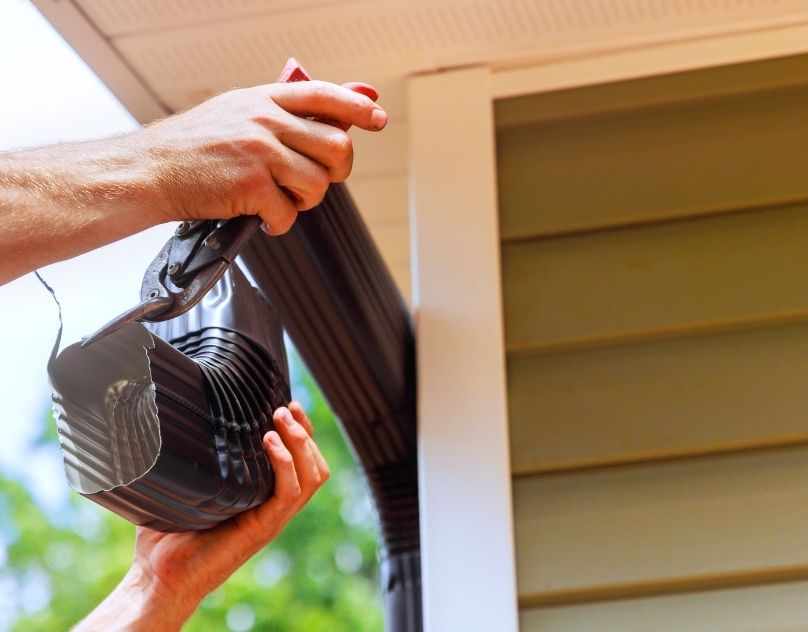
Installation is another important consideration. Some systems attach to the front of the gutter, while others use different fastening approaches. The installation method can affect maintenance access and compatibility with existing roofing materials.
Homeowners should also review product specifications, warranties, installation instructions, and manufacturer information before making a decision. A product designed for the right application is more likely to deliver reliable performance over time.
Conclusion
Copper gutter protection can be an appealing choice for properties where durability, appearance, and compatibility with copper drainage components are important. However, the best gutter protection solution depends on more than material. Debris type, rainfall, gutter configuration, installation method, maintenance requirements, and local weather conditions should all be considered.
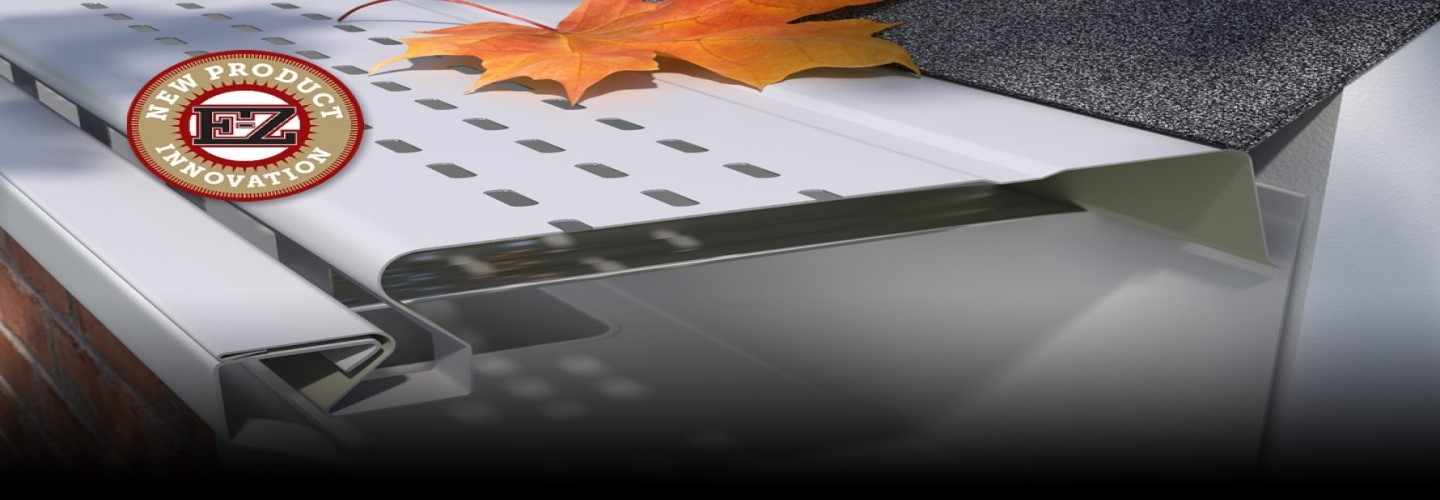
For homeowners exploring different options, E-Z Gutter Guard Protection offers a broad range of gutter protection solutions, including aluminum, steel, stainless-steel, mesh, and solid-cover designs. Comparing these different approaches can help property owners identify a system suited to their specific drainage and debris-management needs rather than relying on a one-size-fits-all solution.





Write a comment ...